

HMEC and Hawaiʻi Sea Grant Announce Formal Collaboration to Advance Marine Energy Engagement
Behind every emerging industry is a network of people and organizations working together to turn ideas into impact. Through a new partnership, HMEC and Hawaiʻi Sea Grant are helping build the relationships that will support the next chapter of marine energy across Hawaiʻi and the U.S.-Affiliated Pacific Islands.
The Hawaiʻi Marine Energy Center (HMEC) and Hawaiʻi Sea Grant are pleased to announce a formal collaboration to advance marine energy across Hawaiʻi and the U.S. Affiliated Pacific Islands (USAPI). Together, the two organizations will expand education, outreach, and stakeholder engagement as marine energy technologies continue to mature.
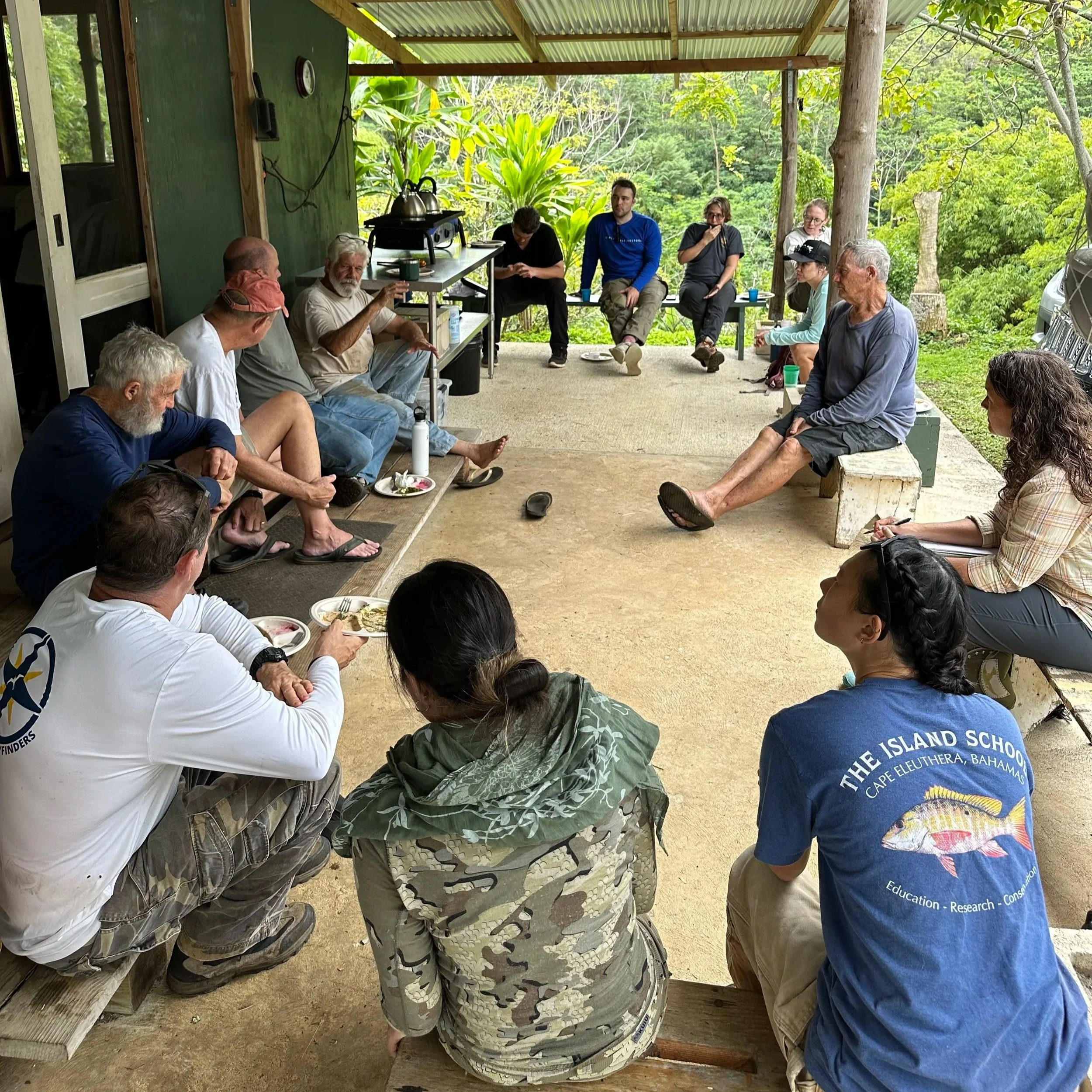
Hawaiʻi Sea Grant is introducing a new Marine Energy Extension and Community Engagement Specialist position. The role will connect researchers, government agencies, industry partners, educators, and communities while supporting education, workforce development, and public engagement in marine energy across the region. The position reflects the partnership's commitment to making marine energy research more accessible while fostering informed dialogue around emerging ocean energy technologies.
For more than 50 years, Hawaiʻi Sea Grant has connected university research with the needs of Hawaiʻi's coastal communities. Its statewide network, trusted relationships, and close collaboration with the University of Guam Sea Grant program provide a strong foundation for expanding marine energy engagement throughout Hawaiʻi and the Pacific.
Although HMEC and Hawaiʻi Sea Grant previously worked together on community discussions related to renewable energy, those early efforts revealed the potential for a broader collaboration. They demonstrated the value of pairing marine energy research with experienced extension and outreach expertise, laying the groundwork for the partnership announced today.
The timing is no coincidence. Marine energy is in an exciting period of growth, with technologies moving beyond the laboratory and into real-world testing. As this transition continues, Hawaiʻi is well positioned to play an increasingly important role in shaping the future of marine renewable energy. This collaboration represents an investment not only in technology but also in the people, partnerships, and knowledge needed to help bring marine energy from research into practice.
HMEC Mentorship Supports Award-Winning Science Fair Project
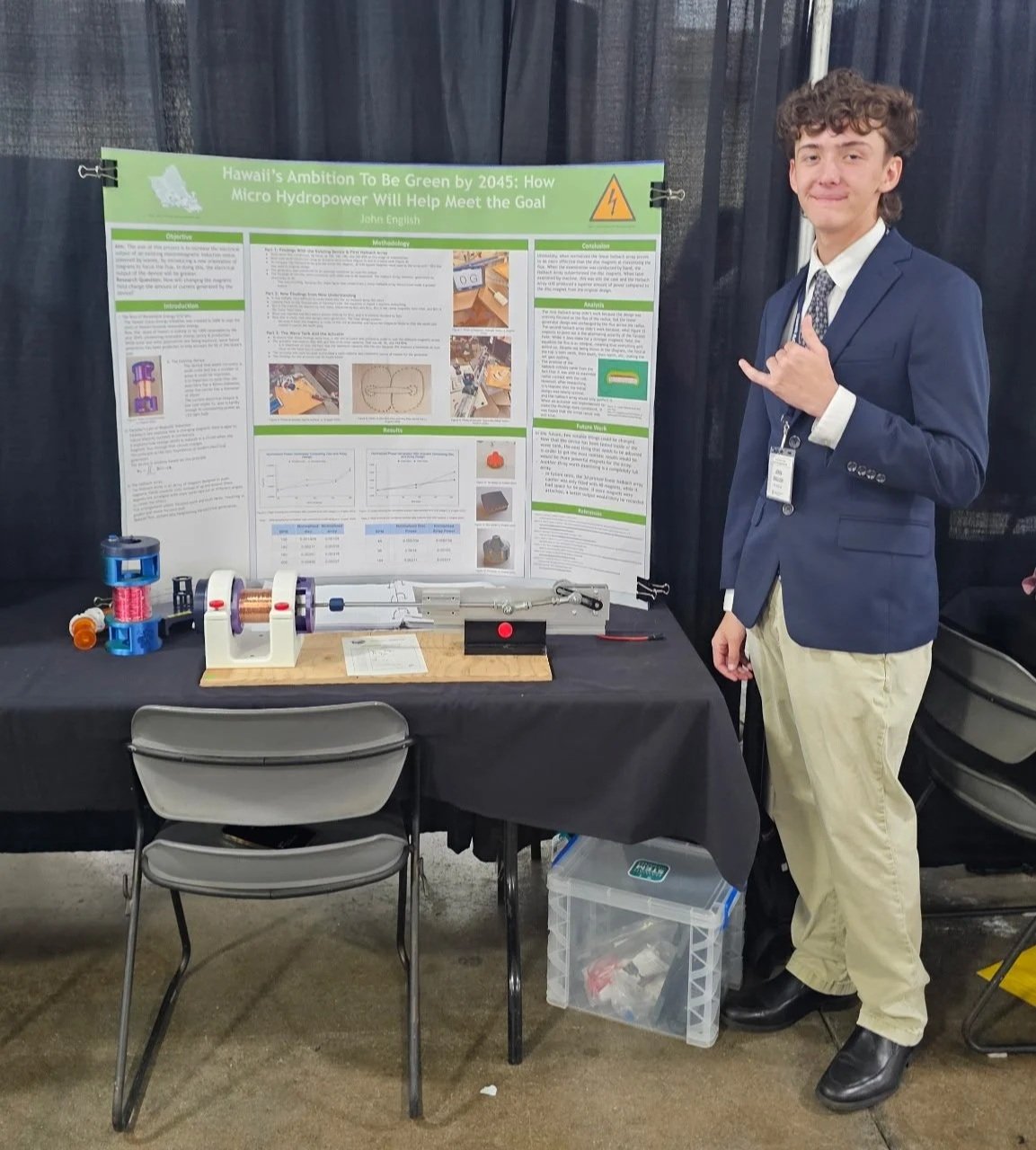
A student mentored through HMEC earned first place in category at the Hawaiʻi State Science and Engineering Fair after investigating how wave motion can be converted into electricity using an educational-scale electromagnetic generator. By applying Faraday’s Law and testing advanced magnet configurations, including Halbach arrays, the project demonstrated that magnetic field orientation—not just strength—is critical to improving generator efficiency. The work highlights how hands-on STEM mentorship can translate complex renewable energy concepts into accessible research experiences that inspire the next generation of engineers and scientists.
A recent University of Hawaiʻi News article highlighted the growing impact of STEM mentorship programs in supporting the next generation of researchers and engineers at the Hawaiʻi State Science and Engineering Fair. One participant, under HMEC mentorship, explored how ocean wave motion can be converted into electricity through a simplified linear generator system.
The student’s original concept—designing a full ocean-deployable wave energy device—was refined into a more focused and achievable project: improving the performance of an educational-scale electromagnetic generator designed by Erik Bendickson at the UH STEM Pre-Academy. This approach allowed the project to concentrate on the core physics of energy conversion while remaining practical for experimental testing.
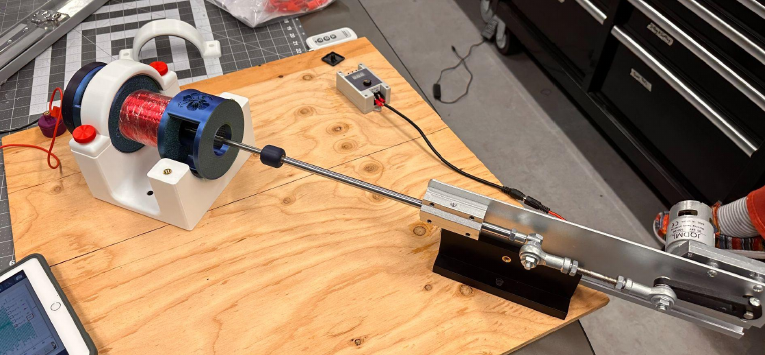
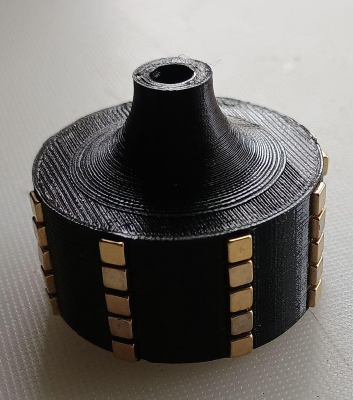
At the center of the work was Faraday’s Law of electromagnetic induction, which governs how changing magnetic fields generate electrical voltage. Building on this foundation, the student investigated whether alternative magnet configurations could improve generator performance by increasing magnetic flux through the coil.The project explored both conventional magnet arrangements and more advanced configurations using Halbach array structures—engineered layouts that concentrate magnetic fields in specific directions. Initial results revealed that stronger magnetic fields alone do not guarantee improved electrical output. Instead, the orientation and distribution of the magnetic field relative to the coil proved to be the controlling factor.
Through iterative design, testing, and analysis, the student developed a refined configuration that aligned the magnetic field more effectively with the coil geometry. The final design produced measurable electrical output and demonstrated improved efficiency when normalized by magnet weight, highlighting a more effective use of materials.
Beyond the technical findings, the project provided hands-on experience in experimental design, rapid prototyping using 3D-printed components, and data interpretation. It also reinforced an important engineering principle: translating theoretical concepts into physical systems often reveals complexities that are not immediately apparent in simplified models.
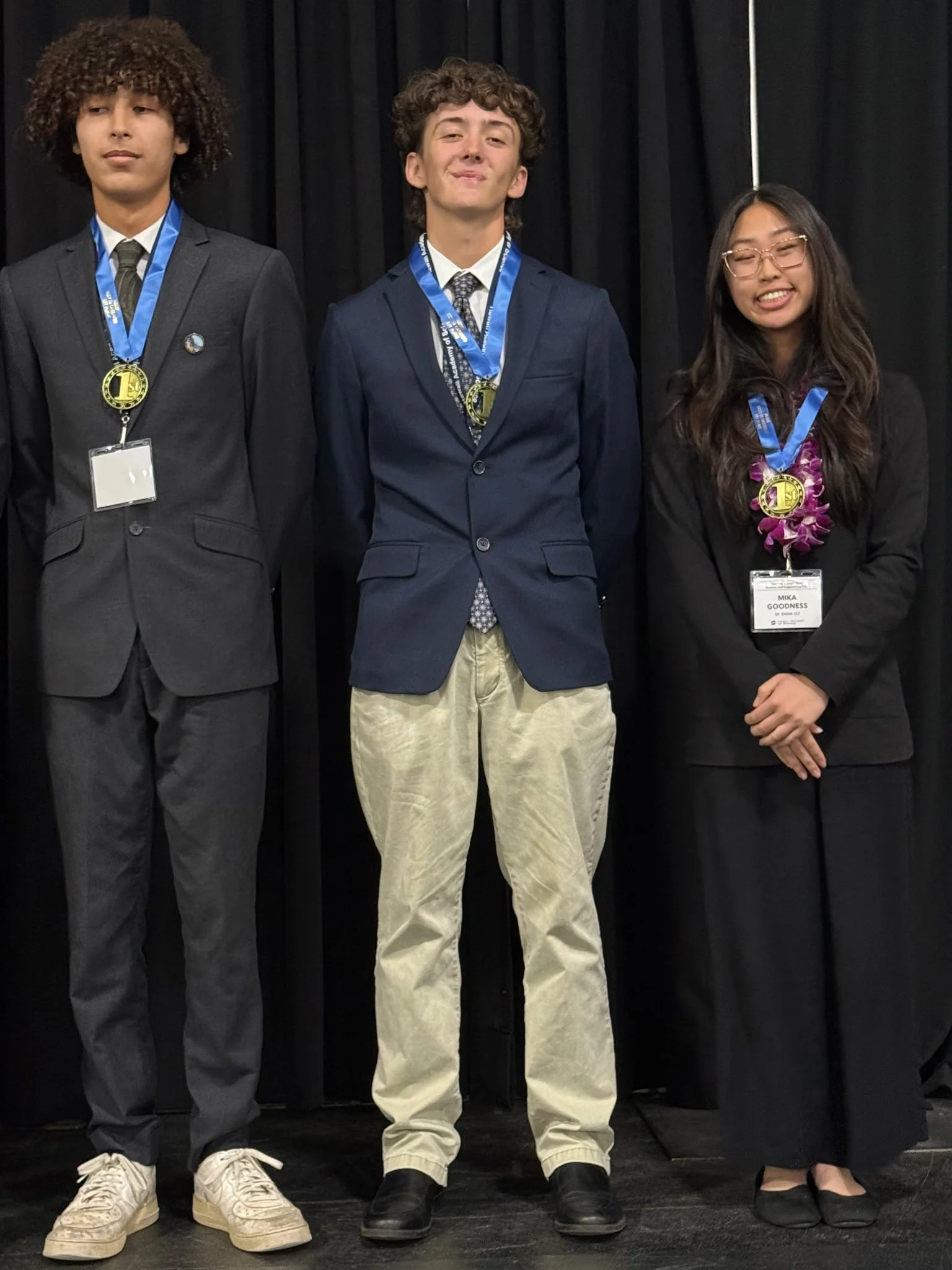
The student presented the project at the district-level fair and advanced to the Hawaiʻi State Science and Engineering Fair, where the work earned first place in its category. This achievement reflects both the student’s initiative and the effectiveness of structured mentorship in supporting meaningful research experiences.
This effort illustrates how complex renewable energy systems—such as wave energy converters—can be distilled into accessible, hands-on learning opportunities. By focusing on fundamental principles, HMEC’s mentorship activities help bridge the gap between classroom theory and real-world engineering, supporting workforce development and increasing awareness of marine energy technologies across Hawaiʻi and the USAPI.