

Campus Facilities and Infrastructure
HMEC’s campus-based facilities and infrastructure have developed incrementally, shaped by the availability of space rather than by a single, purpose-built laboratory footprint. Securing and maintaining suitable space has required sustained effort, and the resulting distribution across campus reflects practical constraints more than an intentional co-location strategy.
Despite these limitations, HMEC has established the capacity to carry out design, prototyping, and small-scale testing across multiple laboratories and staging areas. These facilities have enabled a broad range of early-stage development activities and supported steady growth in both research scope and technical capability.
As HMEC’s programs mature and scale, the Center is now actively working toward a unified, dedicated space that would allow closer day-to-day collaboration, larger-scale integration, and more efficient progression from concept through testing. The facilities described below focus on on-campus laboratories and support spaces, while HMEC’s field facilities and in-water test infrastructure—which serve distinct roles and user communities—are documented on dedicated pages.
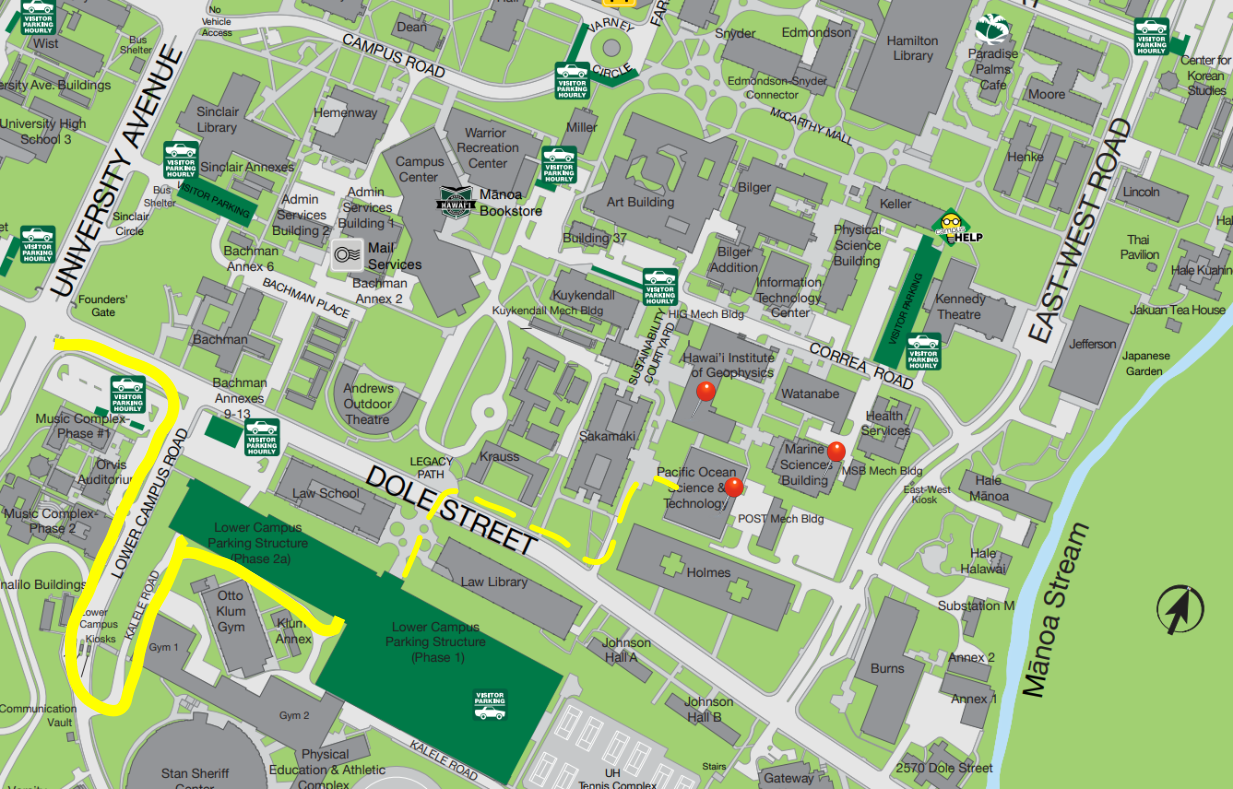
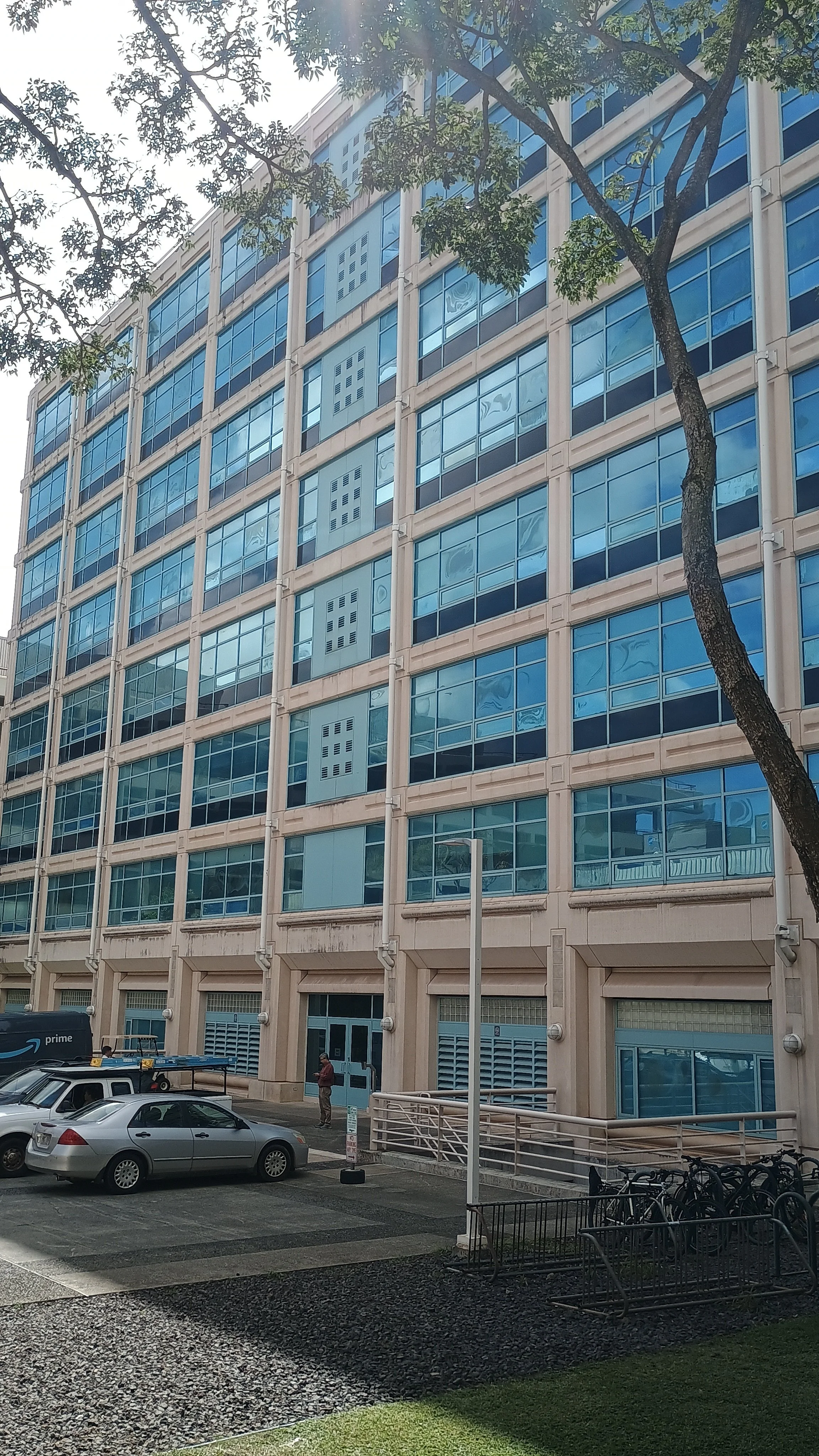
Pacific Ocean Science and Technology (POST)
HMEC is administered through the Hawaii Natural Energy Institute (HNEI), whose front offices are located in the Pacific Ocean Science and Technology (POST) building.
While POST does not function as a shared research or development workspace for collaborators, it serves as HMEC’s administrative and coordination hub. The Center’s director is based in POST, and much of HMEC’s project management, planning, and external coordination is anchored here, even as technical work is carried out across multiple facilities.
POST also houses a dedicated conference and meeting space that is regularly used for HMEC meetings, visiting collaborators, sponsor engagements, and internal coordination. This space plays an important role in supporting collaboration, decision-making, and integration across HMEC’s research, testing, and field activities.
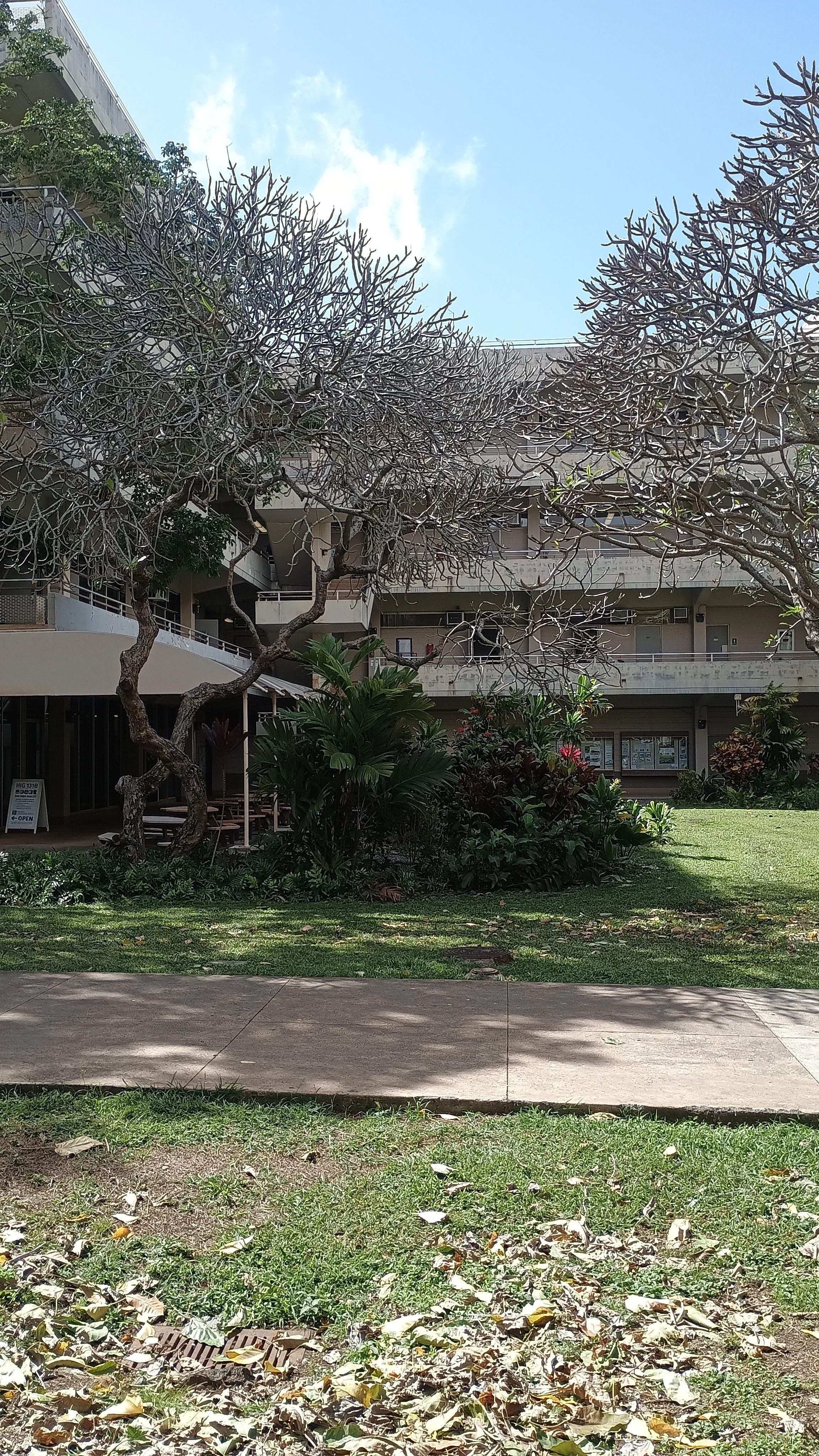
Hawaii Institute of Geophysics (HIG)
HMEC maintains a dedicated laboratory space in the Hawaiʻi Institute of Geophysics (HIG), Room 418. This lab supports small-scale bench testing, prototyping, and development, with a primary focus on hydraulic power take-off (PTO) systems for wave energy converters. Much of HMEC’s component-level development—ranging from pump testing to hydraulic circuit integration—occurs in this space.
Key laboratory infrastructure in HIG Room 418 includes:
Hydraulic PTO test benches for component- and subsystem-level evaluation
Electric linear actuator–based PTO test platform enabling programmable, repeatable motion profiles representative of wave-driven kinematics
Mechanical and electrical fabrication tools for assembly and modification of hydraulic and PTO components
Sensor suite supporting mechanical, electrical, and hydraulic measurements
NLR Modular Ocean Instrumentation System (MODAQ) for synchronized data acquisition and logging
Together, this infrastructure enables controlled, repeatable bench-scale testing of hydraulic PTO concepts and supports experimental validation and iterative design prior to larger-scale laboratory or field deployment.
HMEC also shares access to two laboratory spaces with the Department of Ocean and Resources Engineering (ORE), which extend these capabilities to OWC-specific PTO testing and small-scale wave experimentation.
Room 109 supports bench-scale oscillating water column (OWC) power take-off testing, with an emphasis on controlled and repeatable turbine experiments. The laboratory hosts a mechanically actuated test system that imposes prescribed oscillatory motion on a large-diameter piston, generating bidirectional airflow through an air turbine. The system is operated under programmable control to reproduce representative wave-driven conditions, enabling systematic evaluation of OWC PTO components and concepts.
Key infrastructure and capabilities in Room 109 include:
Motor-driven mechanical actuation system producing large-stroke, high-speed oscillatory motion under load
Programmable control for repeatable, periodic wave-like excitation
Bench-scale bidirectional air turbine test capability
Platform for component-level validation of OWC PTO designs, with planned upgrades toward more advanced motion control
Room 151 supports wave energy experimentation, demonstration, and fabrication activities, with a strong emphasis on student-led development and instructional use. The space houses a small wave flume used for observing and testing free-surface flow phenomena, along with fabrication resources that support prototyping and preparation of experimental hardware.
Key infrastructure and capabilities in Room 151 include:
10-m wave flume with a flap-type wave generator for regular waves
Wind-wave generation capability, enabling combined wave–wind demonstrations
Flume geometry suitable for studying shoaling, breaking, reflection, and near-bed currents
3D printing capability for rapid prototyping of small components
Planned small machine shop to expand in-house fabrication and modification capability
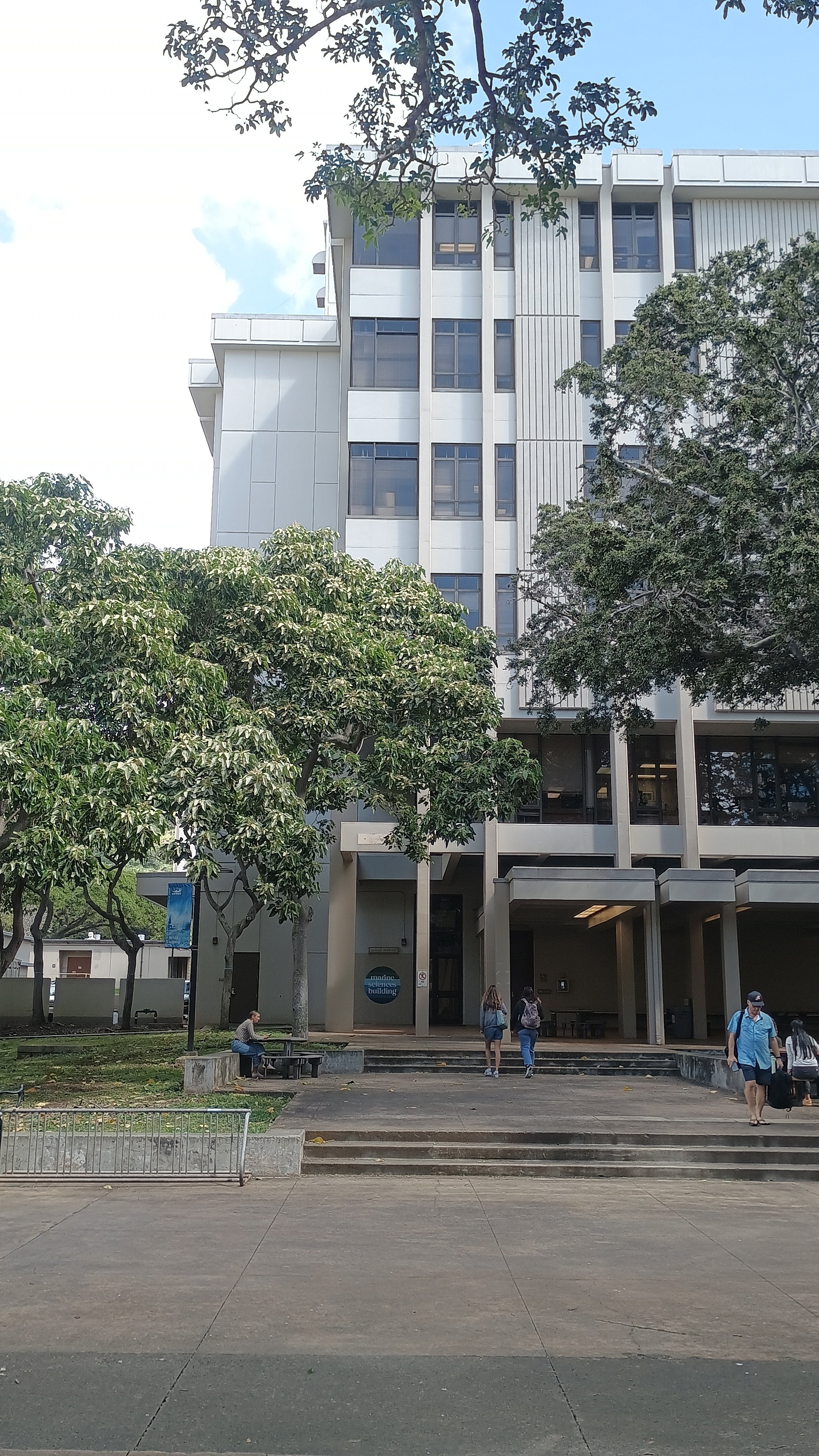
Marine Sciences Building (MSB)
A temporary staging and integration space of approximately 300 sq ft is currently available to HMEC in the Marine Sciences Building (MSB), Room 103. This space provides important near-term capability for equipment staging, assembly, and reconfiguration, particularly for larger or modular systems that cannot be accommodated in smaller laboratory environments.
Key infrastructure and capabilities in Room 103 include:
Large bay doors with forklift access, enabling movement of heavy or bulky equipment
208 VAC, 3-phase, 70 A electrical service, suitable for higher-power electromechanical systems
At present, the space is well suited for modular test bench equipment, including systems driven by electric servo motor–based linear ball-screw actuators, and helps bridge the gap between bench-scale laboratory testing and larger integrated systems.
HMEC is actively exploring opportunities to expand the use of this space and, if feasible, to establish a more permanent large-scale testing capability.
Planned / future infrastructure and features under consideration include:
Large-scale, modular PTO test bench designed to support higher loads and expanded operating envelopes
Servo motor–driven electric linear actuation system with programmable, high-bandwidth motion control
Capability to impose meter-scale displacements and representative force levels for advanced PTO concepts
Modular structural framework enabling rapid integration and reconfiguration of different PTO architectures
Application of prescribed, repeatable motion profiles for controlled laboratory testing
MODAQ2-based data acquisition and control system, leveraging an open-source framework to support advanced sensing, control studies, and flexible experiment design
3 kW bidirectional power supply with battery emulation capability, enabling controlled testing of electrical PTO interfaces, power electronics, and grid- or storage-coupled operation
If space availability and institutional approvals allow, HMEC envisions this capability evolving into a facility that could support external developer access and advance toward participation in DOE’s Testing Expertise and Access for Marine Energy Research (TEAMER) network.
Access to External Facilities and Infrastructure
HMEC can also coordinate access to off-campus facilities and specialized infrastructure through established institutional and partner relationships when project needs warrant it. This coordination-based access model allows HMEC to leverage marine operations assets, staging areas, and temporary workspace for specific research, testing, or deployment activities without requiring permanent space at every location, providing flexibility to support a broad range of marine energy–related efforts.
University of Hawaiʻi Marine Center (UHMC)
HMEC can coordinate with the University of Hawaiʻi Marine Center (UHMC) to access off-campus facilities and marine operations infrastructure that support marine energy research, testing, and deployment activities beyond campus-based laboratories. Access to these capabilities occurs through project-specific coordination with UHMC staff, allowing marine energy activities to leverage relevant facilities and marine operations resources in accordance with Marine Center policies.
Key infrastructure and capabilities include:
Waterfront staging and laydown areas for assembly, inspection, and pre-deployment preparation
Nearshore access points suitable for small-scale deployments, recoveries, and instrumentation handling
Cranes, forklifts, and lifting equipment to support movement and handling of heavy or bulky hardware
On-site machine shop capabilities, supporting fabrication, modification, and repair of mechanical components and experimental hardware
Small-vessel support and marine operations coordination for deployment, servicing, and recovery activities
Applied Research Laboratory (ARL)
HMEC can coordinate with the University of Hawaiʻi Applied Research Laboratory (UH ARL) to access advanced additive manufacturing infrastructure in support of marine energy research, prototyping, and development activities. UH ARL maintains a substantial suite of 3D printing resources that complement HMEC’s in-house fabrication capabilities and enable rapid iteration of components at a range of scales and material classes.
Key infrastructure and capabilities include:
Large-format FDM printers, including multiple systems capable of producing meter-scale components
Small-format FDM printers for rapid prototyping and design iteration
Advanced composite-capable printers, supporting reinforced or fiber-inlaid prints
Resin-based printers for high-resolution components and detailed geometries
Metal additive manufacturing capability for small, specialized parts
Collectively, UH ARL’s additive manufacturing resources provide HMEC with flexible access to a broad range of materials, scales, and fabrication approaches. This capability is frequently leveraged to support prototype development, experimental hardware fabrication, and design iteration for marine energy systems.