

Marine Energy Collegiate Competition
Building the Next Generation of Pacific Marine Energy Innovators
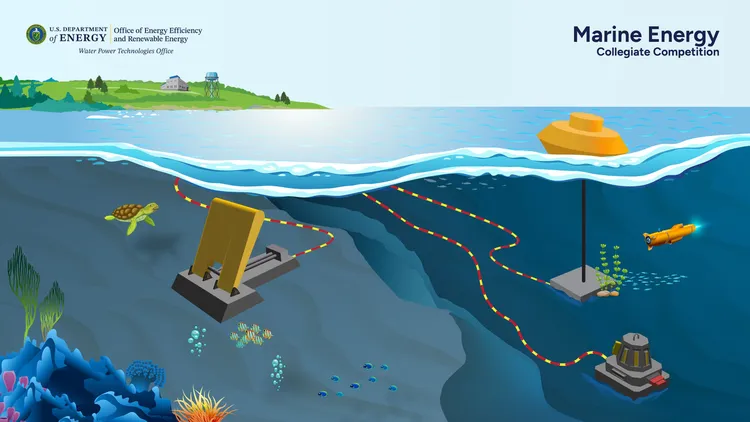
The Marine Energy Collegiate Competition (MECC) is a national, student-led design competition focused on advancing innovative marine energy solutions. Organized through the U.S. Department of Energy and hosted on the HeroX platform, MECC challenges interdisciplinary student teams to develop practical, impactful concepts for harvesting energy from the ocean.
HMEC is actively supporting student participation in the 2027 competition, with a particular emphasis on solutions relevant to island, coastal, and Pacific Island communities.
A Pacific Chapter in MECC History
Hawaiʻi has a long-standing connection to marine energy research and education, and that experience has extended into national student competitions such as the Marine Energy Collegiate Competition (MECC).
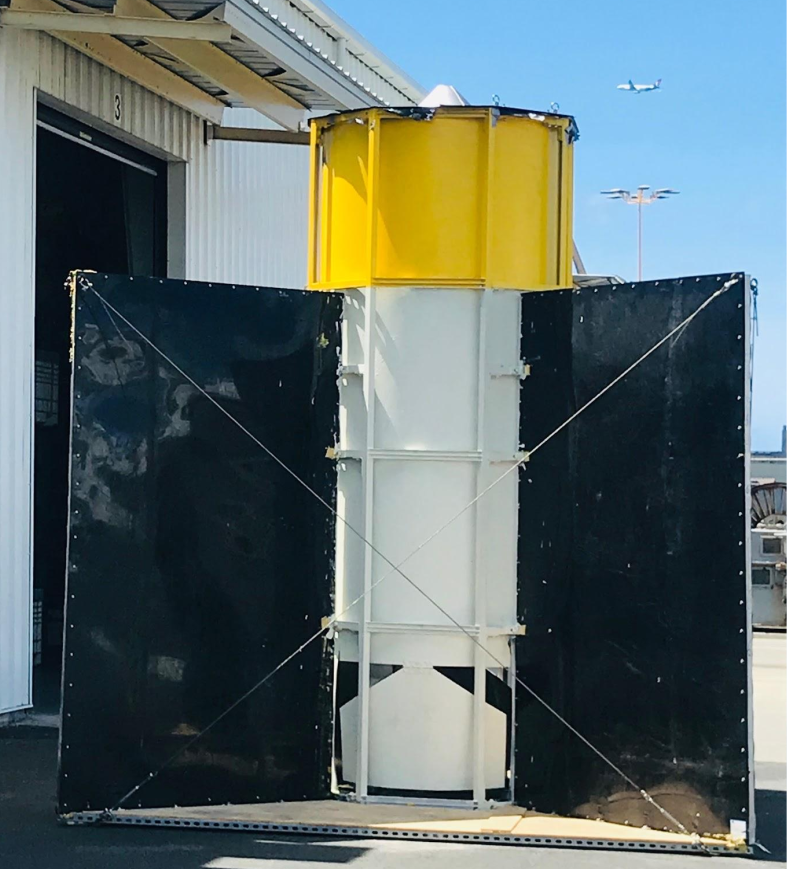
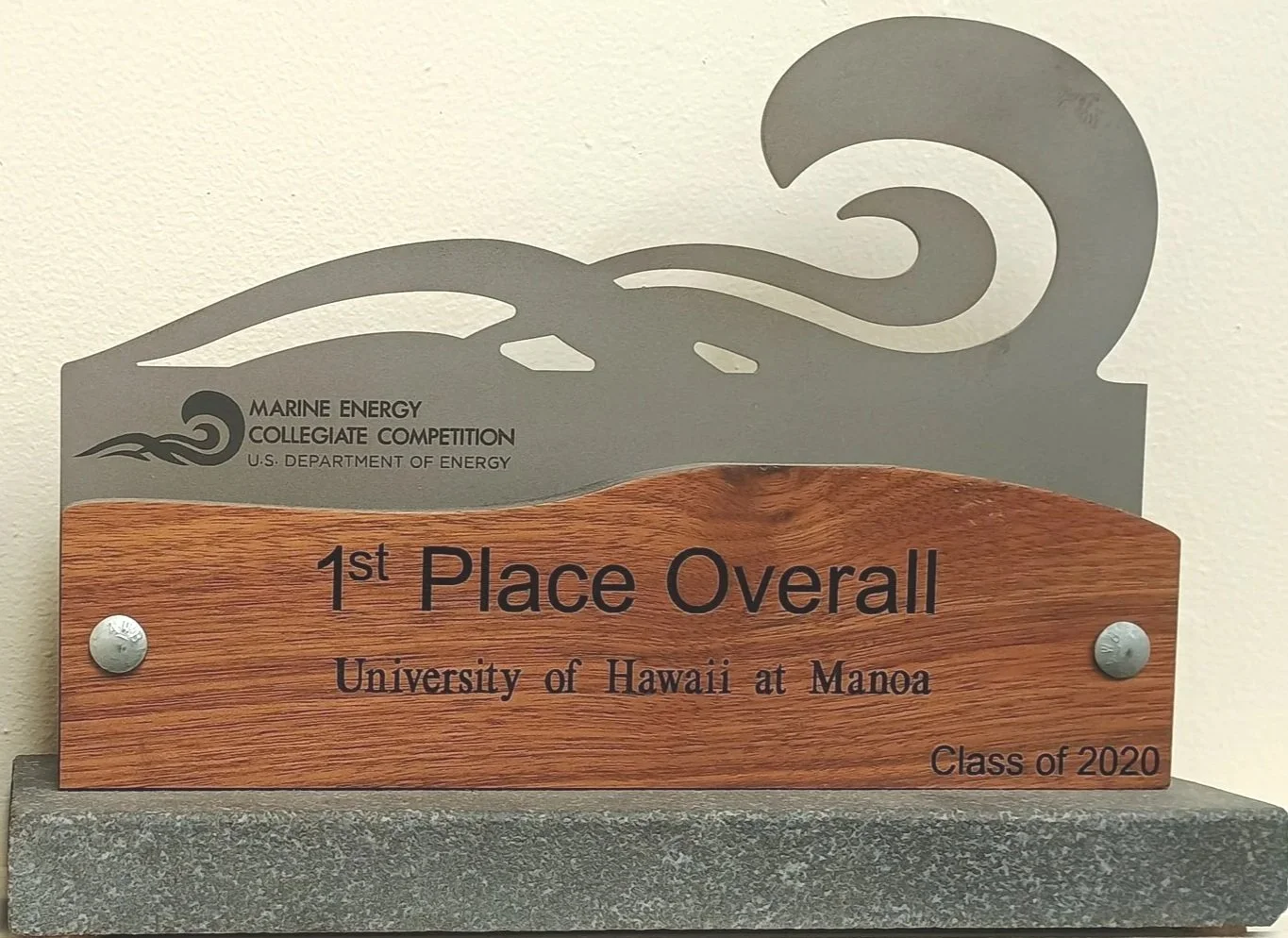
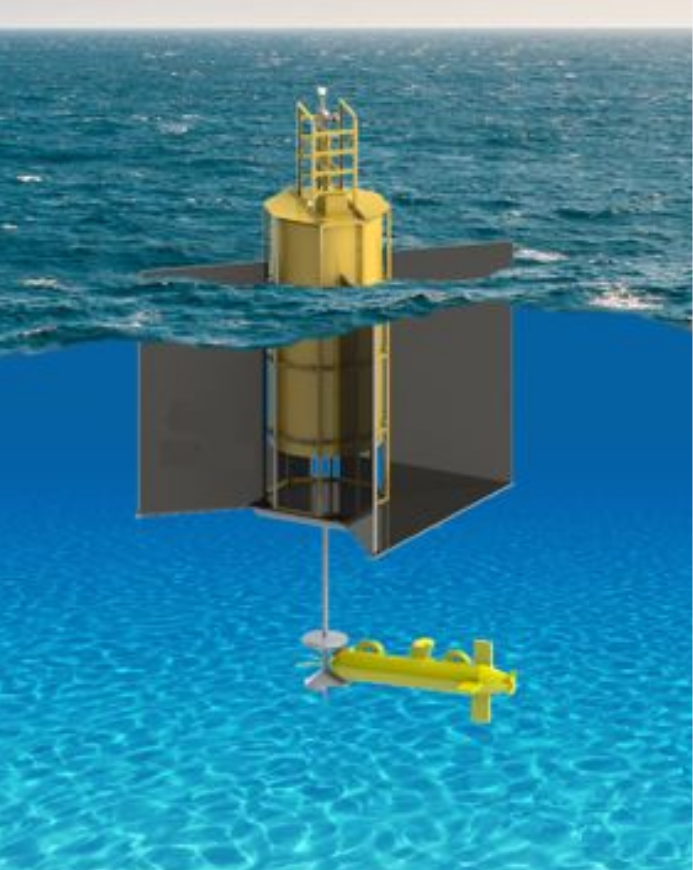
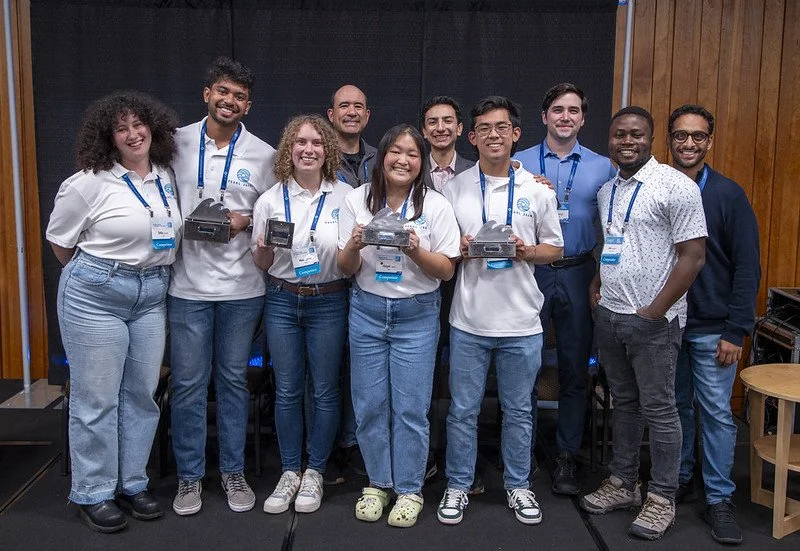
In 2020, a student team from the University of Hawaiʻi participated in the very first MECC and earned Overall Winner honors, along with a Best Pitch award in an individual competition category. The team’s success reflected not only strong technical work, but the ability to clearly communicate the relevance of marine energy solutions for island and coastal communities.
The team was led by Nic Ulm, who has since completed his Ph.D. and gone on to start Hawaiʻi Ocean Power Solutions LLC—a marine energy company based in Hawaiʻi. His trajectory—from student competition, to advanced research, to local entrepreneurship—illustrates how MECC can serve as an early catalyst for sustained engagement in the marine energy field.
HMEC views this history not as a benchmark to replicate, but as evidence that many different teams, ideas, and approaches can succeed. The Center’s goal moving toward MECC 2027 is to support a new generation of students—whether forming independent teams or collaborating across disciplines—as they develop marine energy concepts grounded in Pacific realities.
HMEC’s Role
HMEC serves as a technical advisor, convener, and supporter for students interested in MECC. Our role is not to prescribe ideas or limit participation, but to:
Provide technical guidance and mentoring, as requested
Help teams understand marine energy fundamentals, testing pathways, and real-world constraints
Offer access to HMEC expertise, facilities, and research context, where appropriate
Support students in translating early-stage concepts into credible, well-reasoned designs
HMEC’s involvement is grounded in our mission to strengthen marine energy capacity in Hawaiʻi and the U.S.-Affiliated Pacific Islands, and to help students connect innovation with community-relevant needs.
Team Formation: Flexible by Design
There is no single “right” way to participate in MECC—and HMEC is intentionally neutral in how teams are formed.
Students may choose to:
Form independent teams around their own ideas and approaches
Collaborate across disciplines, institutions, or islands
Explore a shared concept collectively, should participants prefer to align around one idea
HMEC will support all teams equally, regardless of size, topic, or structure. Our goal is to encourage creativity and ownership, not constrain it.
If there is interest in coordination—such as informal idea exchanges, matchmaking across disciplines, or shared technical discussions—HMEC can help facilitate those conversations without imposing a single direction.
Who Should Participate?
MECC is open to students from a wide range of backgrounds, including but not limited to:
Engineering (mechanical, ocean, electrical, civil, environmental)
Oceanography, marine science, and coastal processes
Architecture, planning, and systems design
Data science, modeling, and controls
Policy, economics, and community-focused disciplines
Students do not need prior marine energy experience to participate. Curiosity, collaboration, and a willingness to learn are far more important.
Participation is especially encouraged from:
Students in Hawaiʻi
Students from the U.S.-Affiliated Pacific Islands (USAPI)
Students interested in energy resilience, remote systems, and ocean-dependent communities
Why MECC Matters for Hawaiʻi and the Pacific
Island and coastal regions face unique energy challenges—high costs, logistical constraints, and vulnerability to climate impacts. Marine energy offers long-term potential solutions that are locally relevant, scalable, and aligned with ocean stewardship.
Through MECC, students have an opportunity to:
Engage with real-world marine energy challenges
Explore how technology, environment, and community needs intersect
Develop concepts that reflect Pacific contexts, not just abstract designs
Build skills that translate directly into research, industry, and public-sector pathways
This competition is as much about learning and capacity building as it is about winning.
HMEC Support for 2027 Participants
For teams preparing for MECC 2027, HMEC may provide support such as:
Informational sessions on marine energy fundamentals
Office-hour style technical advising
Guidance on wave energy, OTEC, and other marine energy concepts
Context on testing, scaling, and deployment considerations
Connections to relevant HMEC researchers and ongoing projects
The level of support will depend on team needs and availability, but HMEC is committed to being an accessible and constructive resource throughout the process.
Interested? Start Here.
If you are interested in participating in the 2027 Marine Energy Collegiate Competition, we encourage you to:
Review the official competition page on HeroX
Begin informal conversations with peers about ideas and team formation
Reach out to HMEC to express interest, ask questions, or explore next steps
No commitment is required to start a conversation.
HMEC’s goal is to listen first, support second, and empower students to lead.