Island communities across Hawaiʻi and the U.S.-Affiliated Pacific Islands actively engage with decisions about energy systems—balancing cost, reliability, environmental stewardship, and long-term resilience. Within this broader landscape, marine renewable energy is one emerging option that remains less visible and less commonly encountered than other renewable technologies, despite these communities being surrounded by vast ocean renewable resources.
In many educational and community settings, opportunities to explore ocean-based energy are still limited. Topics such as how waves and ocean temperature differences carry usable energy, what technologies exist to harness these resources, and how marine renewables compare with other clean energy options are often underrepresented. This limited exposure can make it challenging to engage in informed discussions about whether, where, or how marine energy technologies might play a role within island energy systems.
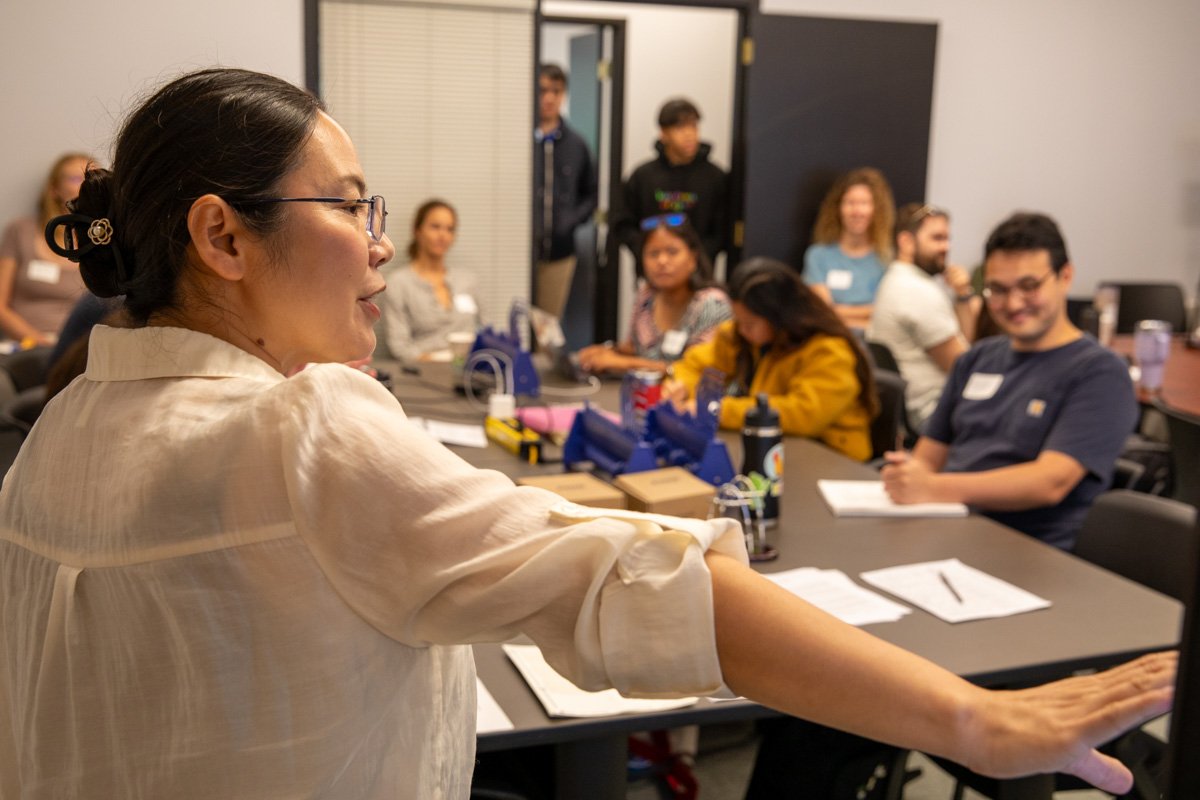
HMEC’s education outreach is designed to address this gap through early, repeated exposure to marine energy concepts across multiple age levels. Rather than a single, linear program, our approach offers a series of age-appropriate learning opportunities that introduce students to ocean science, wave and ocean thermal energy fundamentals, and emerging marine technologies over time. The emphasis is on building understanding and curiosity—helping students develop the vocabulary, intuition, and context needed to engage thoughtfully with marine renewable energy.
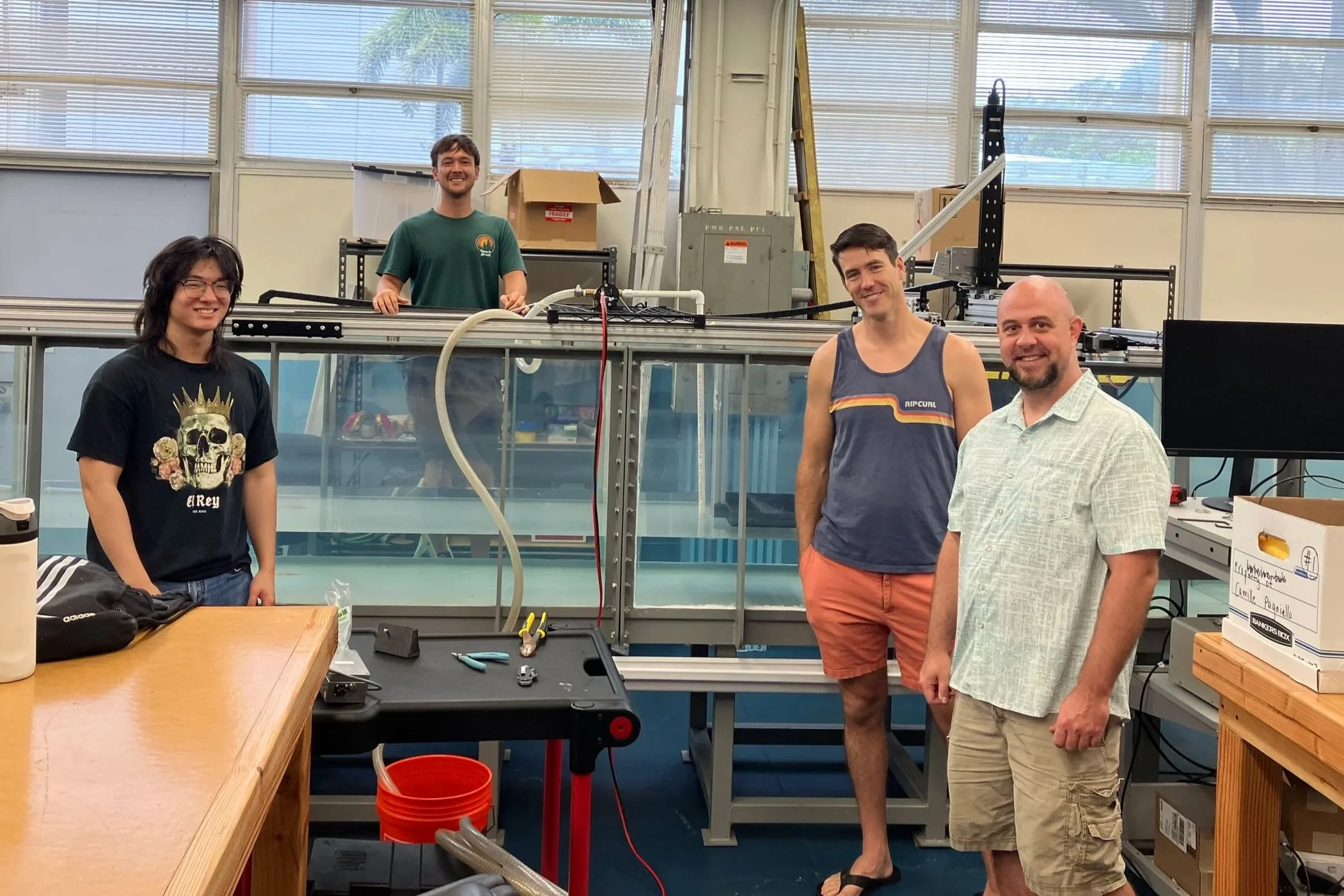
By introducing foundational concepts in middle school, providing hands-on experiences and internships at the high-school level, and supporting applied coursework at the community-college level, HMEC aims to foster long-term awareness and sustained interest. Across these experiences, student projects are intentionally connected to HMEC’s broader mission—contributing to ongoing research, testing, and outreach efforts rather than standing alone as isolated classroom exercises. This model reflects our belief that informed communities are essential to responsible decision-making around marine energy, and that meaningful engagement begins well before students enter formal research or engineering pathways.
How this approach takes shape in practice:
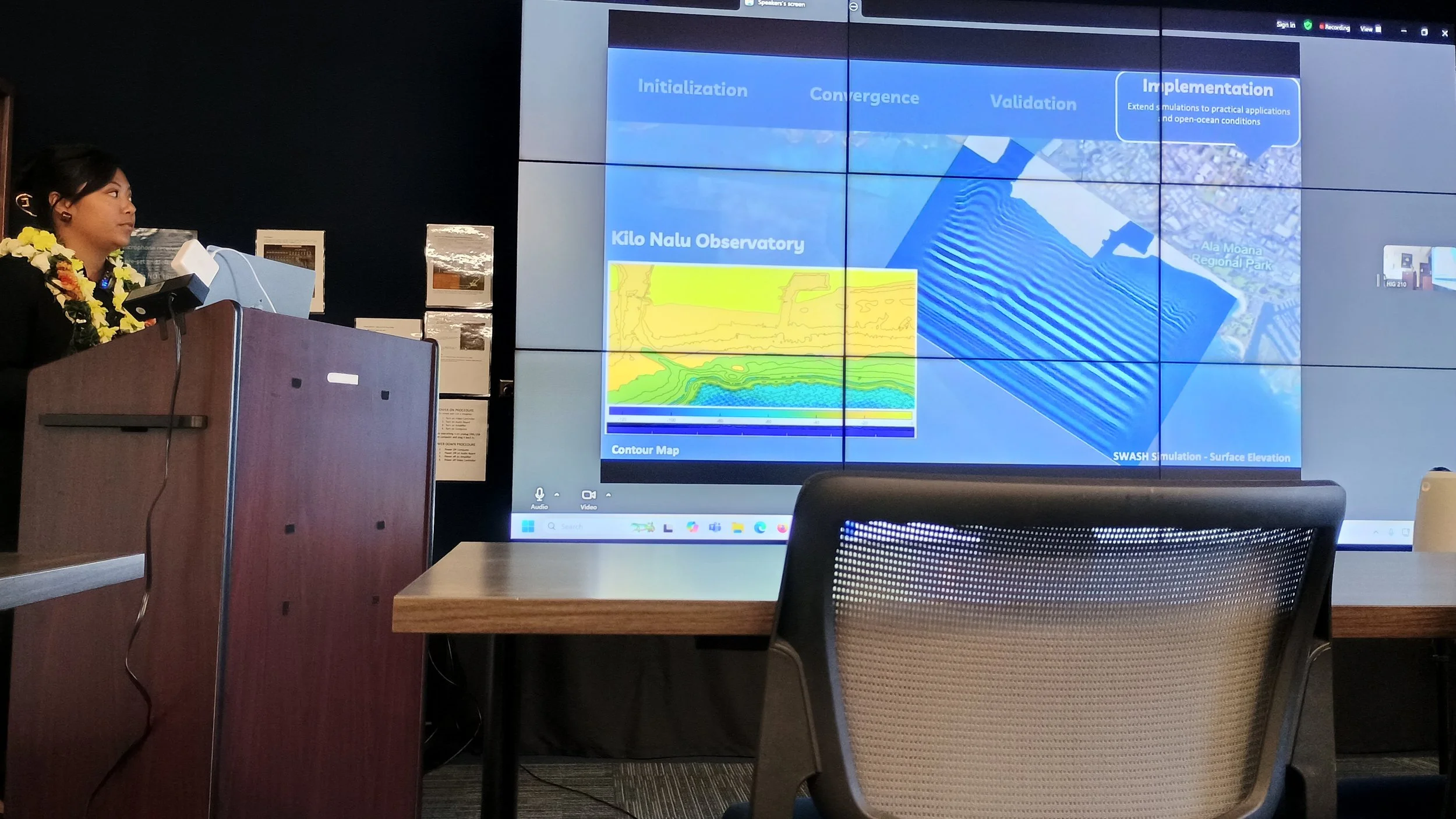
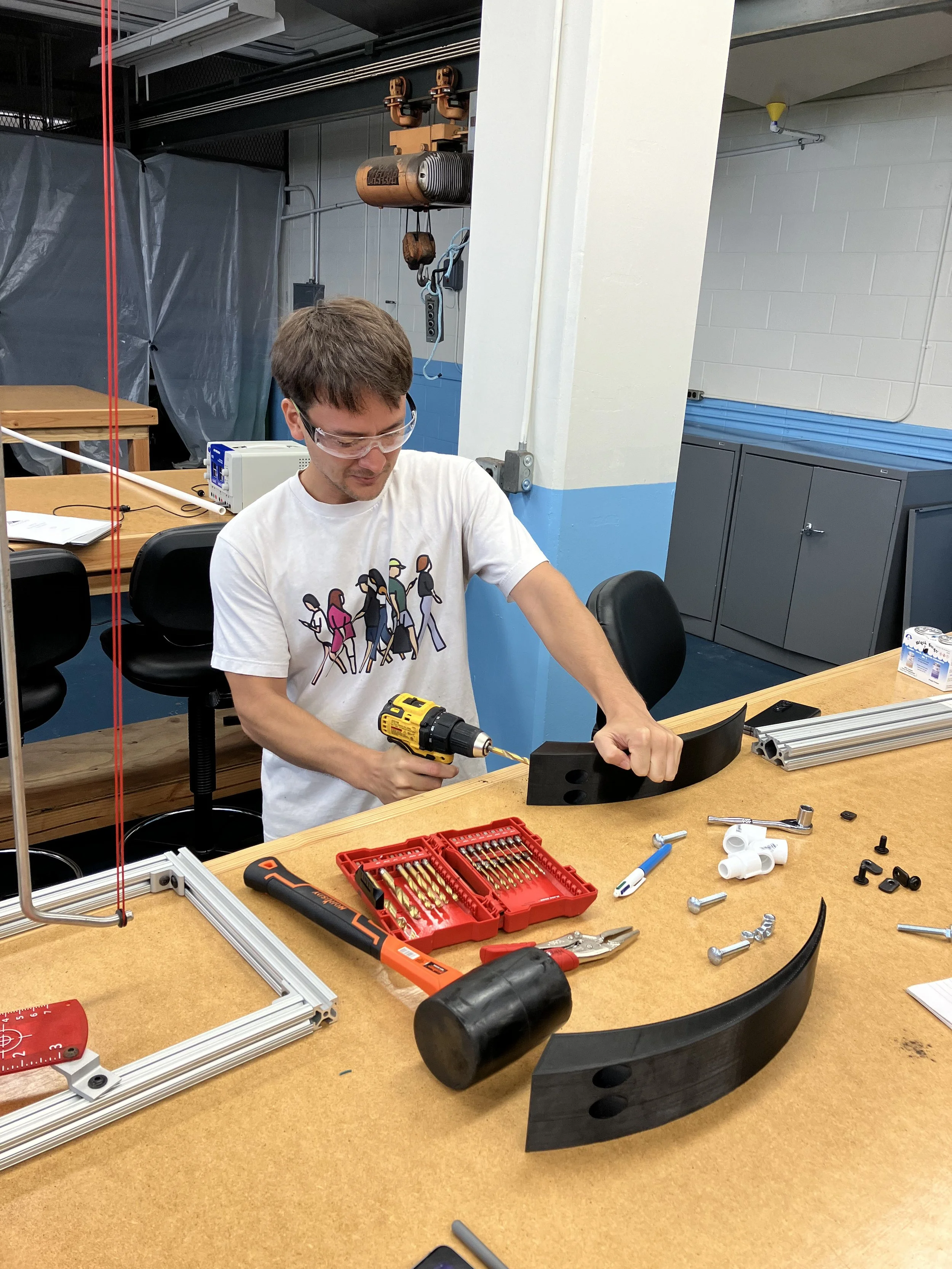
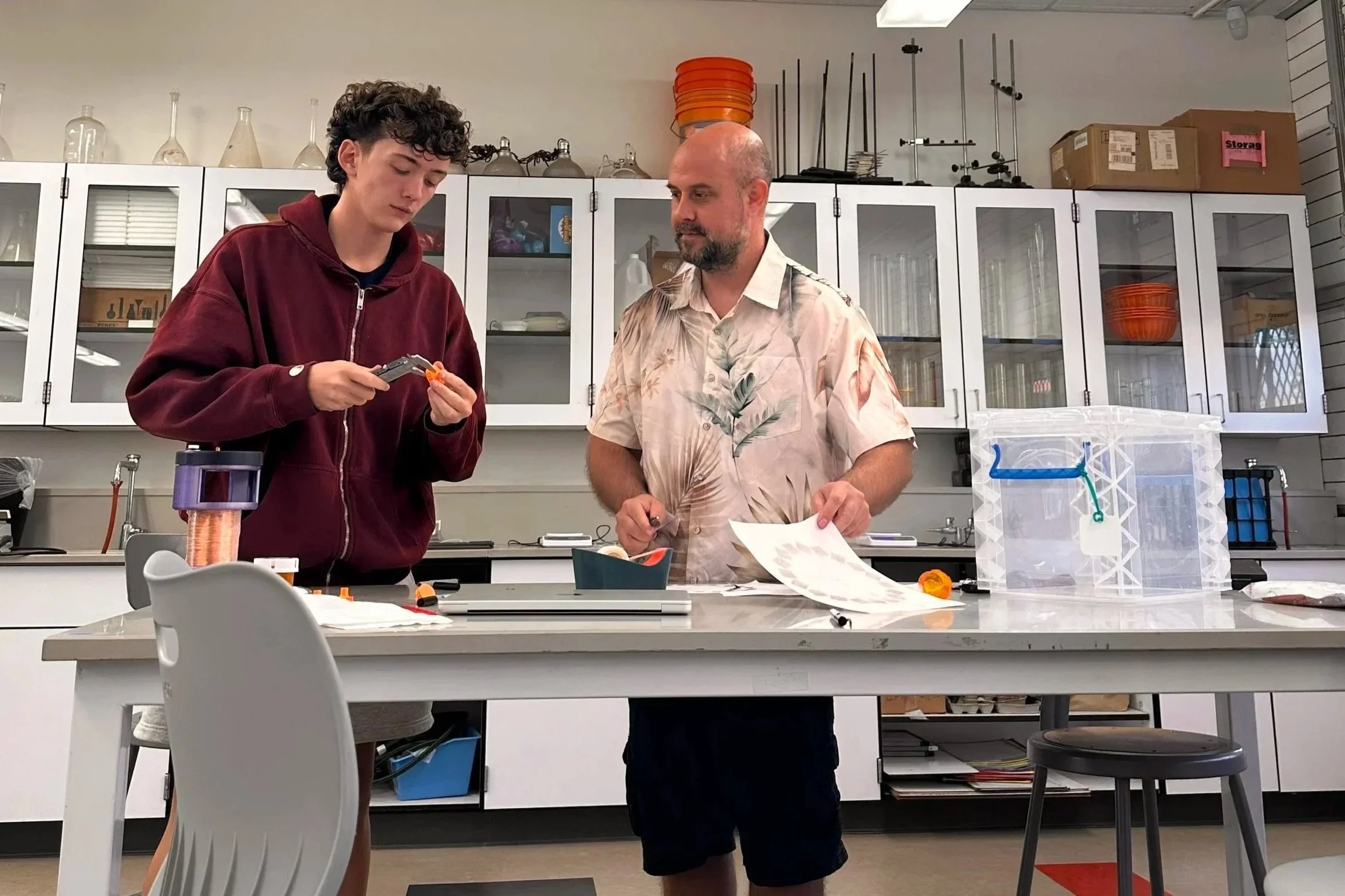
Mission-aligned projects: Student projects are designed to advance HMEC’s research, testing, and outreach goals, ensuring that each effort contributes to a larger body of work.
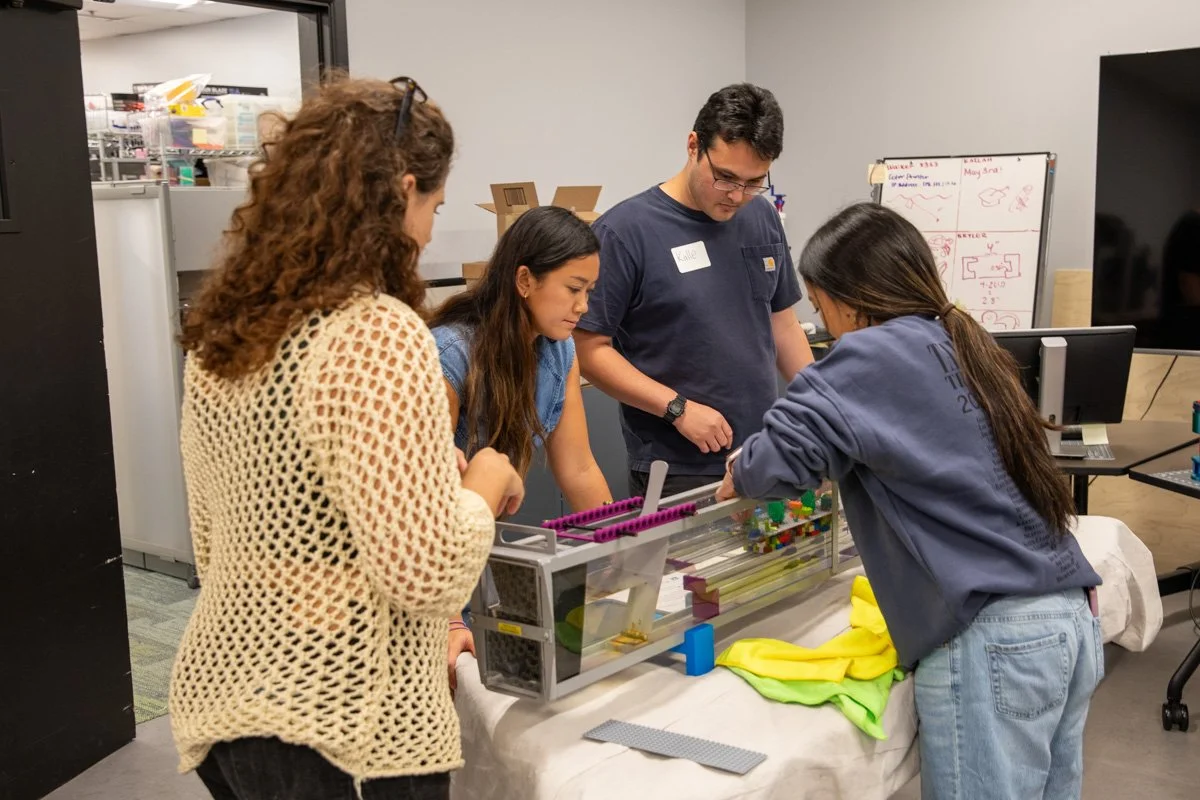
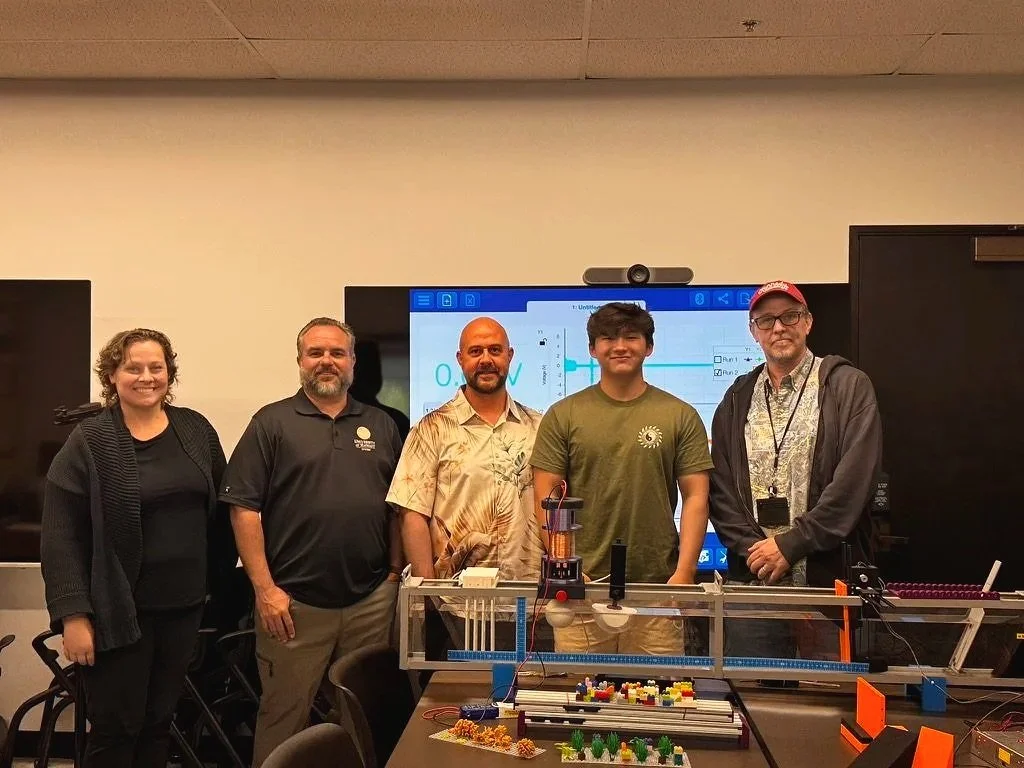
Shared learning tools: Many projects result in hands-on demonstrations, curriculum materials, or visualization tools that support education at other age levels.
Connection to ongoing work: Students regularly contribute to active HMEC initiatives, gaining experience while extending the impact of existing projects.
Continuity over one-off outcomes: Projects are developed with reuse, refinement, and long-term value in mind, helping build institutional knowledge and outreach capacity over time.
“The emphasis is on building understanding and curiosity—helping students develop the vocabulary, intuition, and context needed to engage thoughtfully with marine renewable energy.”