Pathways into Marine Energy
Hawaiʻi and the U.S.-Affiliated Pacific Islands (USAPI) have deep experience working in and around the ocean—from maritime trades and construction to environmental stewardship and local business. Marine energy can grow from that foundation. While it is sometimes perceived as a field limited to highly educated specialists, successful marine energy projects depend on a much broader workforce that includes technicians, operators, environmental and cultural practitioners, planners, and entrepreneurs. As the industry moves beyond research and toward deployment, workforce needs extend well beyond engineering to include operations, manufacturing, permitting, logistics, and business development.
“This is an industry, not a research niche.”
Who Works in Marine Energy
Marine energy projects are built by people working across marine, infrastructure, environmental, regulatory, and business sectors. In practice, the workforce includes:
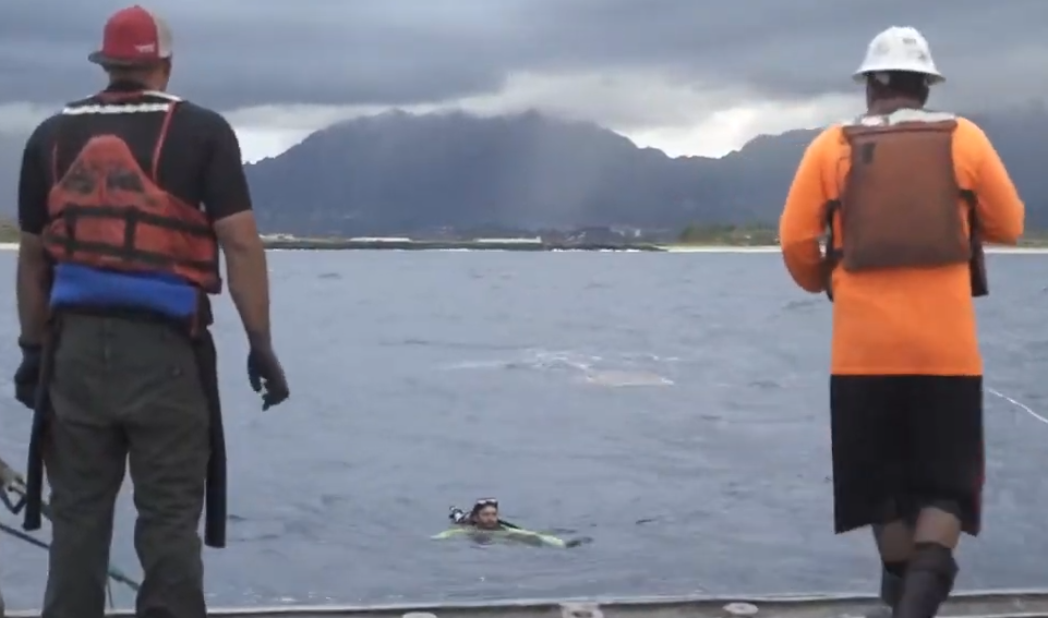
Marine and maritime workers supporting offshore operations, vessels, and deployments
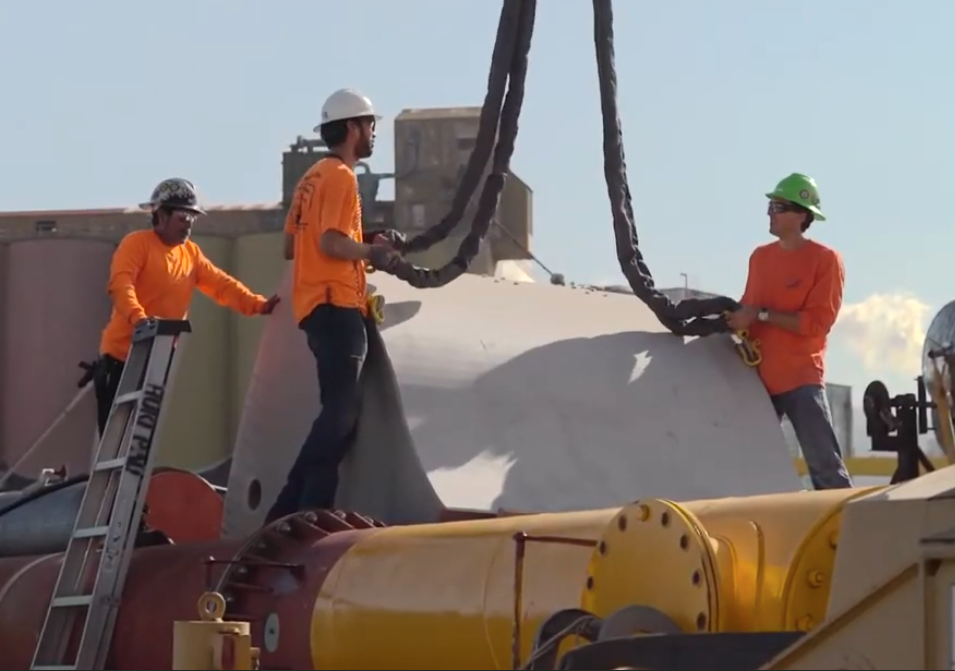
Construction, fabrication, and manufacturing trades involved in building and installing equipment
Environmental, biological, and cultural practitioners supporting monitoring, permitting, and stewardship
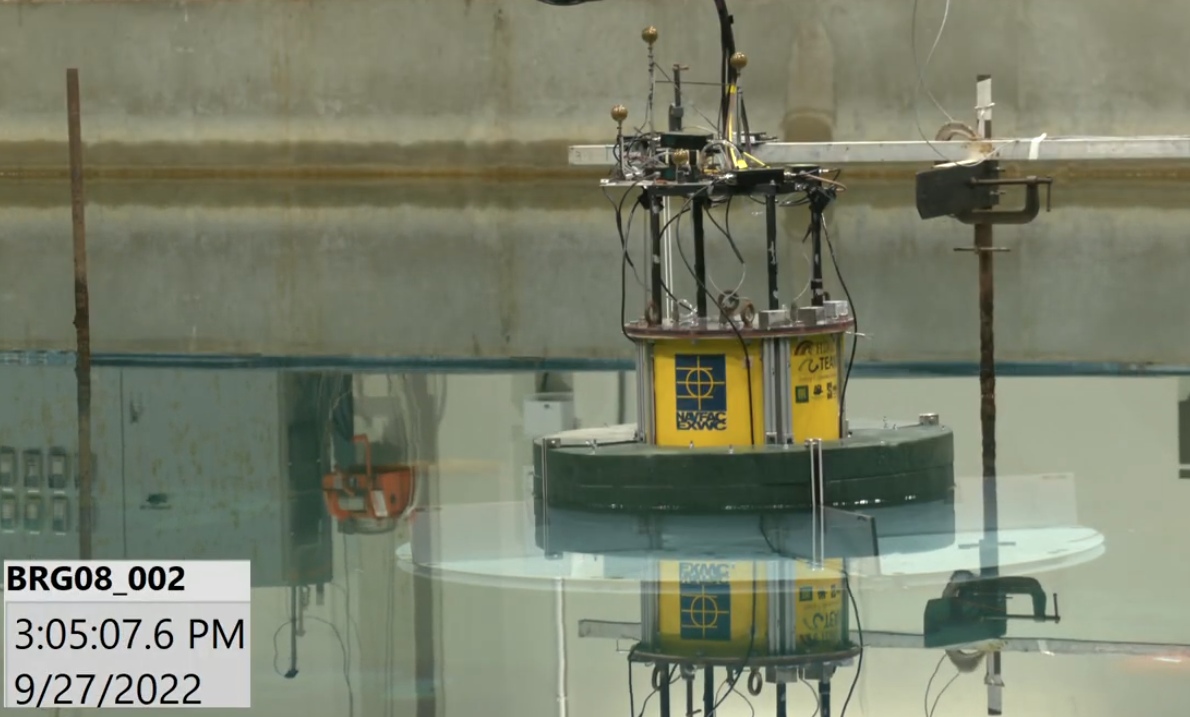
Technicians and operators working in testing, operations, and maintenance roles
Planners, regulators, and policy professionals shaping responsible project development
Business owners, contractors, and entrepreneurs providing services, logistics, and local expertise
Marine energy does not rely on a single career path. It grows by connecting existing skills to new applications, creating opportunities for people to enter, adapt, and advance as projects move from planning to deployment and long-term operations.
Pathways into Marine Energy
Most people working in marine energy do not start their careers in marine energy. They enter from related industries and build experience as projects evolve from planning and testing to construction and long-term operations. Common pathways include:
Marine trades and maritime operations → offshore deployment, vessel support, and operations and maintenance
Construction, fabrication, and logistics → component manufacturing, installation, and field support
Environmental monitoring and stewardship → permitting support, compliance, and long-term environmental monitoring
Technical and field-based roles → testing, instrumentation, data collection, and system operations
Planning, policy, and regulatory work → project development, permitting, and stakeholder coordination
Small businesses and contractors → services, maintenance, fabrication, logistics, and local supply chains
As projects mature, workers often advance by taking on greater responsibility, specializing in certain systems or environments, or moving into supervisory, coordination, or business leadership roles. Marine energy workforce development is therefore less about a single entry point and more about creating opportunities to grow alongside the industry.
Career Examples
Marine energy workforce needs span a wide range of roles and experience levels across the project life cycle. The examples below illustrate how people contribute across planning, construction, operations, environmental stewardship, and business development. These examples are not exhaustive, and job titles vary by employer and project phase.
Vocational career examples
Vocational roles are essential throughout construction, deployment, and long-term operations, often building on existing marine, construction, and technical experience.
Examples include marine and offshore operations, subsea and ROV support, environmental and biological field monitoring, fabrication and installation, testing and commissioning, logistics and warehouse operations, safety support, and vessel operations.
Degreed career examples
Degreed roles support system design, analysis, planning, regulation, and coordination, particularly during project development and testing.
Examples include engineering, environmental and biological sciences, data and modeling, planning and permitting, policy and regulatory analysis, economics and finance, project coordination, communications, and technology commercialization.
Together, vocational and degreed professionals form integrated teams that carry projects from early planning through deployment, operations, and eventual expansion.
Entrepreneurship & Local Industry Growth
Marine energy will not grow through research and testing alone. Like other ocean and energy industries, long-term success depends on local businesses, contractors, operators, and service providers who can support projects over time. In Hawaiʻi and the USAPI, this creates opportunities for existing marine and coastal businesses—as well as new ventures—to expand into marine energy supply chains.
Entrepreneurship plays a critical role in areas such as fabrication, installation, vessel services, environmental monitoring, logistics, operations and maintenance, data services, and community engagement. As projects move beyond pilot-scale testing, workforce development increasingly means supporting business formation, local ownership, and the ability to deliver reliable services at scale. Building this capacity locally strengthens energy resilience, keeps economic benefits in the region, and helps marine energy transition from research activity to industry.
Call to Action
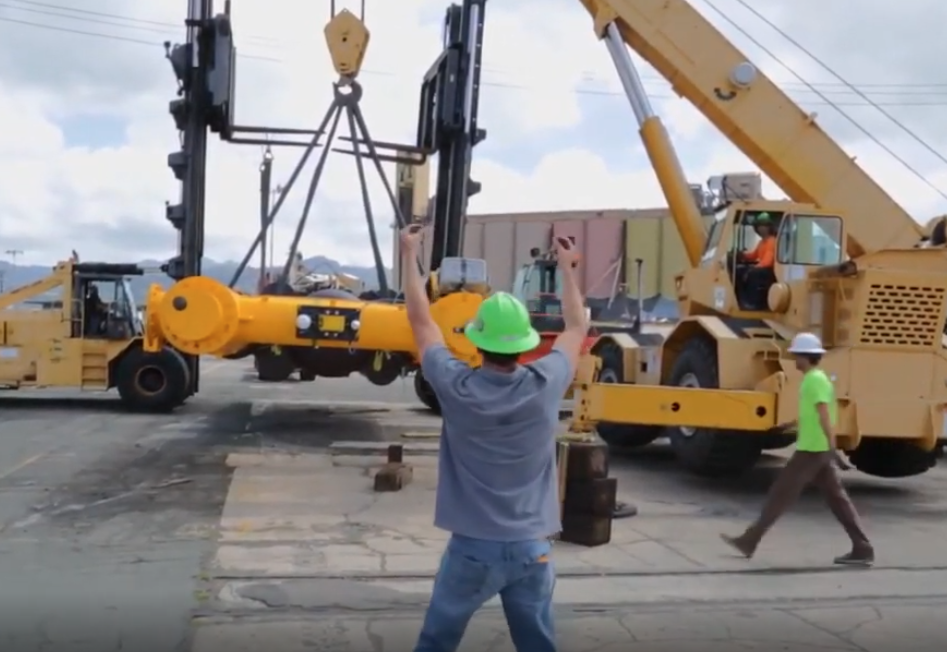
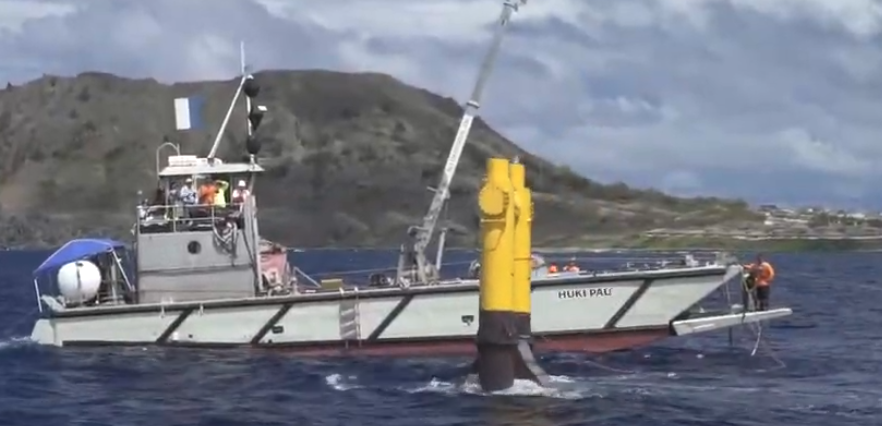
HMEC actively supports marine energy workforce development by bringing together research, testing, education, industry partners, and communities. Through open-ocean testing, technology development, partnerships, and workforce-focused initiatives, HMEC creates real opportunities for hands-on experience, collaboration, and industry engagement that support long-term workforce and business growth.
HMEC is already working with industry, practitioners, and communities to build this network—and we invite others to take part. There are many ways to get involved, including:
Sharing technical, operational, or environmental expertise
Mentoring students, technicians, or early-career professionals
Hosting or supporting field, testing, or demonstration activities
Participating in pilot projects, trials, or industry partnerships
Connecting local businesses and service providers to emerging opportunities
Whether you represent an established organization or are exploring how your skills or services could apply to marine energy, engaging early helps shape how this industry grows. Even simple actions—starting a conversation, offering insight, or expressing interest—help build momentum and strengthen the marine energy workforce.